
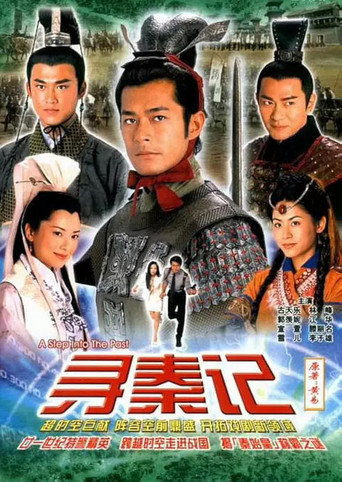
 40 eps7.7A Step Into The PastLouis Koo / Kwong Wa
DuanjuHK
129 dramas and 33 films in Cantonese, 1976 to 2026, with 12,893 episodes listed.
Every title page has a Watch now button: choose your country and see the official services that carry the programme.
Hot now
More (43) ›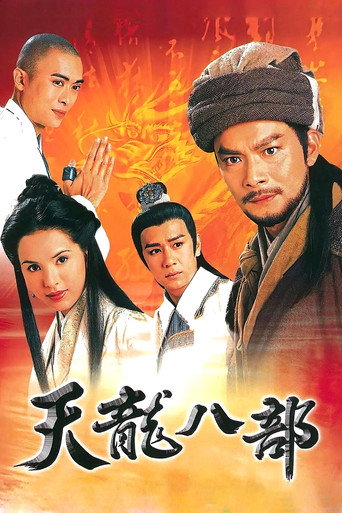 45 eps8.3
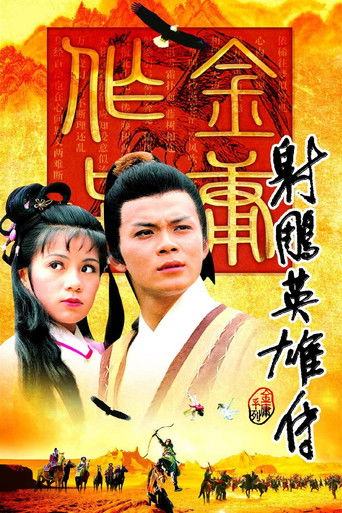 59 eps8.2
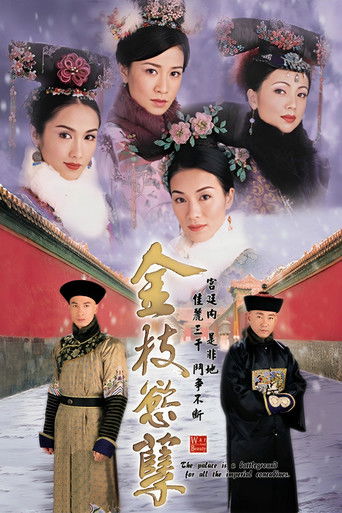 30 eps9.1
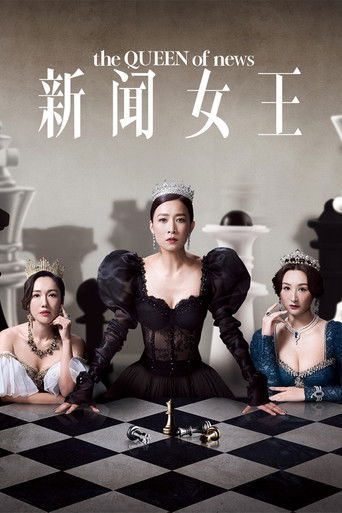 51 eps7.9
Recently added
More (162) ›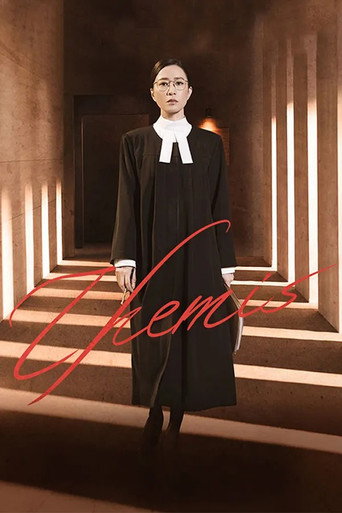 25 eps7.6
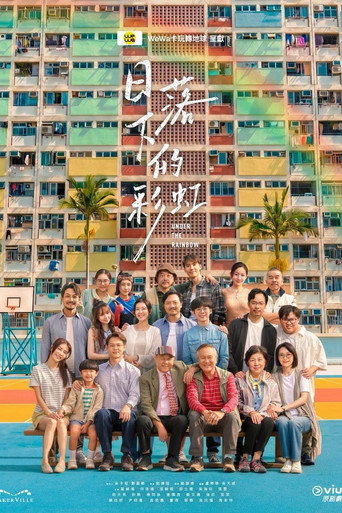 15 eps9.0
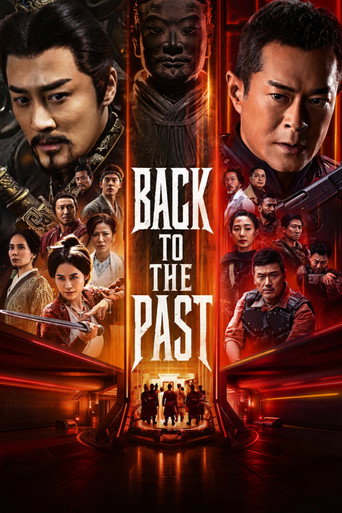 Film6.0
 12 eps7.8
 25 eps7.5
Martial arts
More (37) ›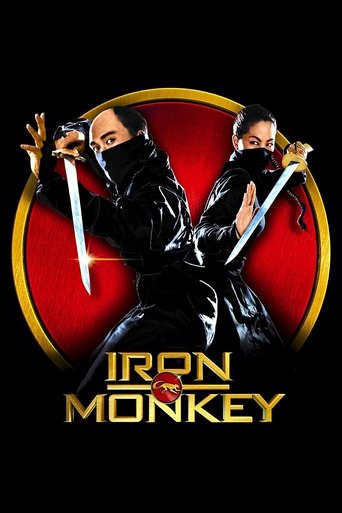 Film7.4
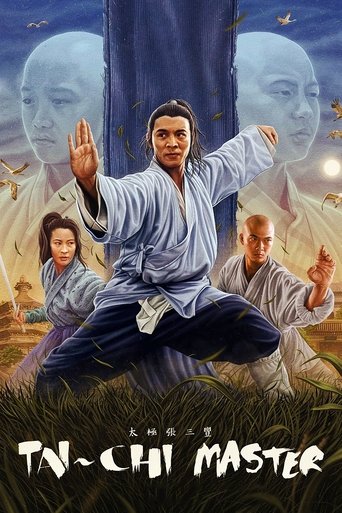 Film7.2
 Film6.5
 Film5.9
 Film6.7
Costume drama
More (44) ›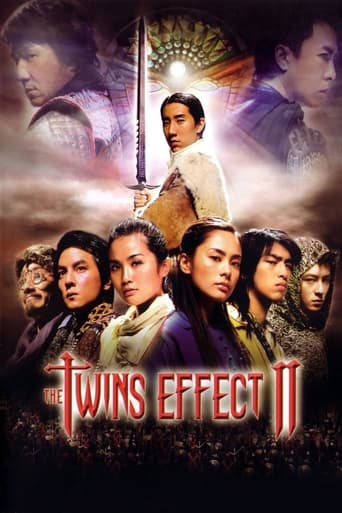 Film5.3
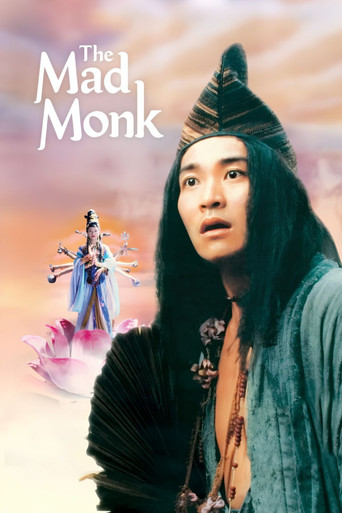 Film5.9
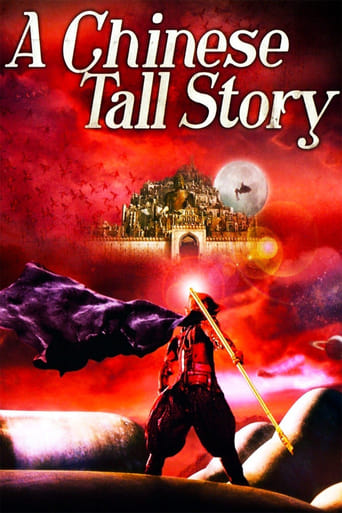 Film5.5
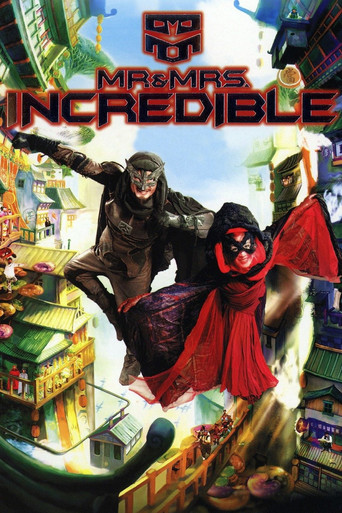 Film5.0
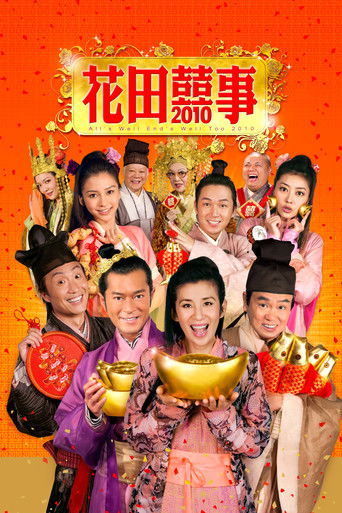 Film4.6
Modern drama
More (62) › 2868 eps5.4
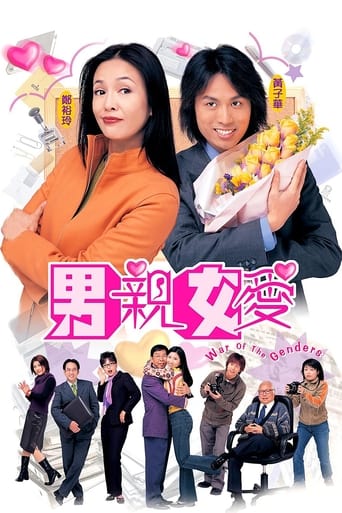 103 eps8.6
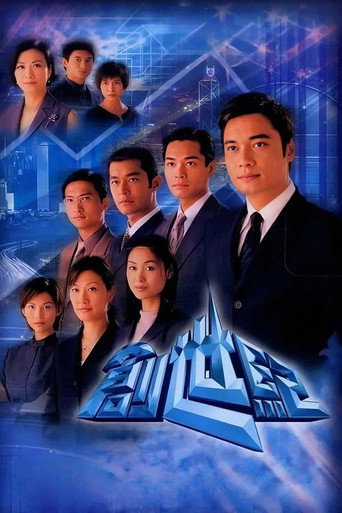 107 eps8.2
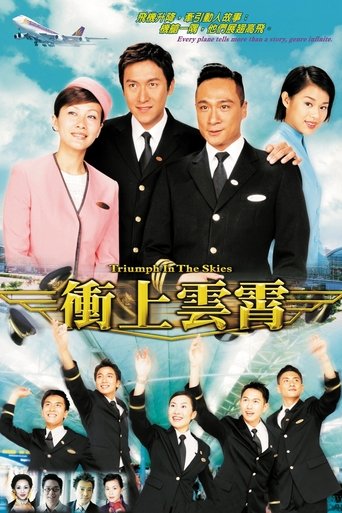 83 eps8.0
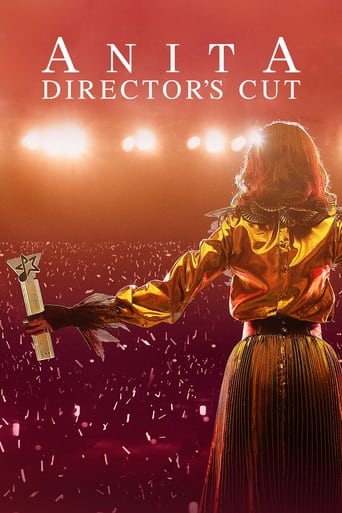 5 eps7.1
Films
More (33) ›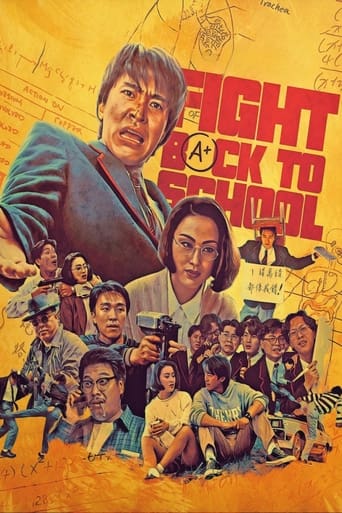 Film7.0
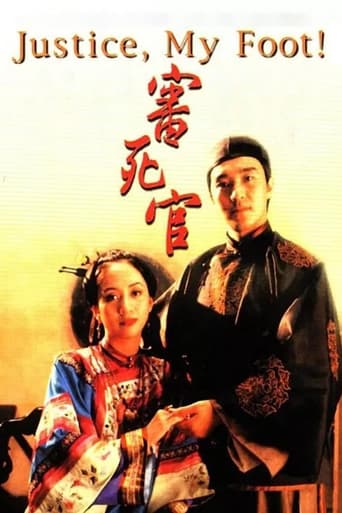 Film6.7
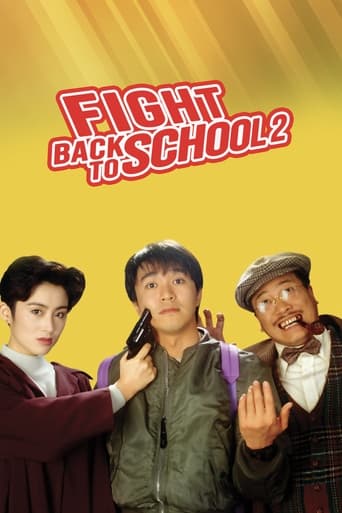 Film6.8
 Film5.8
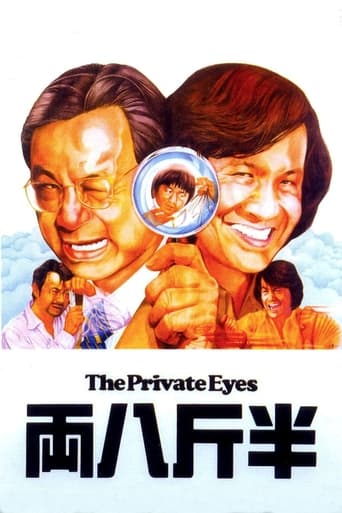 Film6.4
The DuanjuHK guide to Hong Kong drama
DuanjuHK: Hong Kong dramas and films, with A Step Into The Past, The Demi-Gods and Semi-Devils, War and Beauty, The QUEEN of News, Triumph in the Skies, Iron Monkey and Fight Back to School
For half a century one television station in a city of a few million people supplied the Chinese-speaking world with its favourite stories. Television Broadcasts Limited, known everywhere as TVB, opened in Hong Kong in 1967 and built a studio system on the Hollywood model, with its own acting school, its own writers and a new serial every month. Its swordsmen, palace ladies, doctors and bickering families were watched from Guangzhou to Vancouver, and its training classes produced most of the great names of Hong Kong cinema. DuanjuHK is a guide to 129 Hong Kong television dramas and 33 Cantonese films made between 1976 and 2026. Each has a page with its cast, its episodes where it has them, and a Watch now button that leads to the official services carrying it.
The 129 dramas have 12,893 episodes between them, a figure swollen by three sitcoms that ran for years. Thirty-seven titles are martial arts stories, forty-four are costume dramas of other kinds, sixty-two are modern dramas and twenty-seven are about hospitals, fire stations, courts and other places of work. This guide takes the martial arts serials first, then costume drama, modern drama and working life, then the sitcoms and the films, and closes with the stars, the search, My List and a plan for a first fortnight.
What DuanjuHK is
DuanjuHK is a viewing guide. Each of its 162 pages describes one title: its story, the year in which it was made, its leading actors and, for a drama, the order of its seasons and episodes with their dates. At the top of each page is a Watch now button with a country selector beside it. Choose the country you are in, press the button, and JustWatch opens with the services that carry the title there, whether by subscription, rental, purchase or free with advertising. The how to watch page sets out the three steps in brief.
The selection was made by hand, one summary at a time, with a mixed household in mind. It favours adventure, comedy, family stories, history and the dramas of working life, and it leaves aside the police and gangland thrillers for which Hong Kong is also famous. Hong Kong television was made for the family dinner hour, when three generations ate in front of the set, and most of the catalogue keeps that character.
The guide is written in English for viewers anywhere. The dramas and films are in Cantonese; many are also offered in Mandarin, and a growing number carry English subtitles. Each title page gives the original title in Chinese characters beside the English one, since English names for these programmes vary a good deal and the original is the surest thing to search for.
How the pages are arranged
The site is pale grey with white panels and one strong colour, a warm yellow, in the manner of the Chinese video indexes from which the design is drawn. A white bar at the top holds the logo, a rounded search field with a yellow button, and a black My List button. Beneath it runs a row of pills for the main lists, the current one filled in yellow, and under the title a blue strip carries a one-line reminder of how Watch now works.
The home page is a column of white panels, each with a heading underlined by a short yellow bar and a link to the whole list. A panel holds five upright posters with rounded corners. On each poster a yellow tag in the lower corner gives the number of episodes, or the word Film, and a small dark label in the upper corner gives the score; the title and the two leading actors stand beneath. The panels run from Hot now and Recently added through martial arts, costume drama and modern drama to films. At the right a numbered list ranks the ten most popular dramas, with the first three numbers in red, orange and yellow, and a second panel holds thirteen lists as rounded tags. On a telephone the side panels move below, the posters stand three across, and the yellow three-bar button opens the menu with a search field of its own.
Martial arts serials
Thirty-seven titles are martial arts stories, and the martial arts guide sorts them. The Chinese name for the form is wuxia, the tale of wandering swordsmen bound by a code of honour, and for Hong Kong television it has been what the western was for Hollywood. Its greatest author is Louis Cha, who wrote as Jin Yong. Between 1955 and 1972 he published, in daily newspaper instalments, fifteen novels that are read by Chinese people everywhere as Dickens or Dumas are read in the West, and TVB has filmed each of them several times. The Jin Yong guide lists the eleven serials here.
The Legend of the Condor Heroes is the most loved of the novels, and its 1983 television version, in fifty-nine episodes, the most loved of all Hong Kong serials. Felix Wong plays the slow, honest hero Kwok Ching, and Barbara Yung the quick-witted Wong Yung, in a performance that made her the darling of a generation; the 1994 version, with Julian Cheung and Athena Chu, is also in the catalogue, and typing the title into the search field brings both. Its sequel is here twice as well. The Return of the Condor Heroes, from 1983, gave Andy Lau his first great part as the orphan Yeung Kwo, in love with the teacher who raised him, and The Condor Heroes 95 did the same for Louis Koo twelve years later. The third story of the cycle appears as New Heavenly Sword and Dragon Sabre, from 1986, with a very young Tony Leung Chiu-wai, and as The Heaven Sword and Dragon Saber, from 2001.
The Demi-Gods and Semi-Devils, the 1997 version of Jin Yong's largest novel, is the most followed martial arts serial on DuanjuHK. It interweaves the fortunes of three sworn brothers: a beggar chieftain who discovers that he was born among his people's enemies, a bookish prince who dislikes violence and keeps acquiring invincible skills by accident, and a simple young monk. Felix Wong, who had played the prince in Demi-Gods and Semi-Devils of 1982, returned fifteen years later as the chieftain, to general acclaim. State of Divinity is the 1996 version of the novel about a carefree swordsman caught between the orthodox schools and their supposed enemies, a story usually read as a satire on political fanaticism. Crimson Sabre, Where Heroes Dare, The Flying Fox Of The Snowy Mountain and Fox Volant of the Snowy Mountain complete the shelf.
The other great name of the genre is Gu Long, a Taiwanese novelist whose heroes are wits and wanderers and whose plots are closer to detective stories. Chor Lau-heung, made in 1979 with Adam Cheng as the elegant adventurer of the title, was a sensation: its theme song is still known to every Cantonese speaker, and when it was shown in Taiwan the streets were said to empty. The New Adventures Of Chor Lau Heung continued the story in 1984 with Michael Miu. Two Most Honorable Knights, with Tony Leung Chiu-wai, tells of twin brothers raised apart by rival masters, one a mischievous rogue and one a flawless gentleman, each trained to fight the other; the same novel was filmed again as The Proud Twins in 2005, with Dicky Cheung and Nicholas Tse. Against the Blade of Honour, from 1997, has Louis Koo as a swordsman with a blade as curved as the full moon.
Other writers supplied Twin of Brothers, from the novels of Huang Yi, in which two street urchins of the sixth century stumble on a secret manual and grow into heroes; The Zu Mountain Saga, a fantasy of flying swordsmen with Ekin Cheng; Reincarnated, a serial of 1979 from the rival station Rediffusion; and The Fearless Duo and The Foundation, both from 1984 and both with Barbara Yung and Michael Miu. Face to Fate is about a contest held every five years for the leadership of the martial world.
A second branch of the genre deals with the historical masters of southern Chinese kung fu. The Kung Fu Master, from 1994, stars Donnie Yen, before his film fame, as the Shaolin hero Hung Hei-gun. Lady Flower Fist is a spirited comedy about Miu Chui-fa, mother of the folk hero Fong Sai-yuk and a better fighter than her son. Legendary Fok, from 1981, tells the story of Fok Yuen-gap, the master who founded an athletic association in Shanghai in 1910 and restored his countrymen's pride. A Fist Within Four Walls, a prize-winning serial of 2016, is set in the 1960s in the Kowloon Walled City, the lawless and crowded enclave that once stood near the old airport, and Kung Fu Soccer applies the old skills to football. The fighting in all of these is choreographed like dance and is seldom bloody.
Costume drama
Forty-four titles are costume dramas of other kinds, and the costume guide arranges them. The palace drama is the form that TVB did most to invent. War and Beauty, shown in 2004, is set in the Forbidden City in the reign of the Jiaqing Emperor and follows four women, two consorts and two new arrivals, through a contest for favour in which every kindness has a purpose. Sheren Tang, Maggie Cheung Ho-yee, Charmaine Sheh and Gigi Lai play them; the dialogue is a model of polite menace; and the series has the highest score among the popular titles on DuanjuHK. Every Chinese palace drama of the next twenty years owes it something. Beauty at War returned to the same court in 2013.
Beyond the Realm of Conscience, from 2009, moves to the Tang dynasty and to the Imperial Household Bureau, the departments of jewels, dress, furnishings and food that served the inner palace. Two girls enter as children and grow up as friends; one keeps her mother's teaching to do good and speak kindly, and the other, played by Tavia Yeung in a celebrated performance, learns a different lesson. Deep in the Realm of Conscience is a companion piece of 2018. The Prince's Shadow follows a scholar, played by Adam Cheng, who spends twenty years at the side of the Qianlong Emperor; Succession War is about the fall of the great minister Heshen; The Legend of Lady Yang and Where the Legend Begins tell the stories of two famous beauties of earlier dynasties; and Perish in the Name of Love is set among the last princesses of the Ming.
Outside the palace, the costume drama turns to trade and family. Rosy Business, from 2009, is set in the rice-trading city of Wuxi in the middle of the nineteenth century. The fourth wife of a rice merchant, played by Sheren Tang, must hold his house together when he falls ill, and finds her ally in a coarse, clever labourer, played by Wayne Lai, whose devotion to his mistress made him the best-loved character of the year. A trilogy of rural dramas, Plain Love, Plain Love II and Country Spirit, shows village households that grow tea and make wine at the turn of the twentieth century. Sweetness in the Salt is about the salt trade, Colourful Life about a family of silk weavers, and Maidens' Vow about four generations of women connected with one restaurant.
The comedies are among the most enjoyable things in the catalogue. The Legendary Four Aces makes heroes of the four celebrated wits of sixteenth-century Suzhou, among them the painter Tang Bohu, played by Nick Cheung. Taming Of The Princess has Bobby Au-yeung as a commoner who finds himself married to a runaway princess with a temper. In The King of Yesterday and Tomorrow the Yongzheng Emperor, played by Kwong Wa, is carried by a mishap to modern Hong Kong and has to earn his living, and in The Gentle Crackdown and its successor an idealistic constable keeps order in a small town. Happy Ever After, Better Halves, Eternal Happiness, in which a physician's daughter dresses as a boy to go to school, A Change of Destiny and The Learning Curve of a Warlord are light entertainments in old dress.
Gods and legends have a corner of their own. Journey to the West, the 1996 serial of the classic novel, made Dicky Cheung the Monkey King of a generation; he played the part again in The Monkey King: Quest for the Sutra for another company six years later. Gods of Honour tells the story of the boy god Nezha and the fall of the Shang dynasty, Legend of the Demigods and The Eight Fairies the tales of the Eight Immortals, Ten Brothers the folk story of ten boys born at once, each with a marvellous gift, and Dragon Love the romance of a dragon girl sent to earth to learn how to make rain. The Legend of Wong Tai Sin is about the Taoist sage to whom one of Hong Kong's best-known temples is dedicated.
A step into the past
One serial deserves a section to itself. A Step Into The Past, shown in 2001, is the most followed costume serial on DuanjuHK and one of the most influential Chinese serials ever made. Louis Koo plays a modern Hong Kong police officer who volunteers to test a time machine and is stranded in the third century BC, in the last years of the Warring States, where he becomes the protector of the boy who will be the first emperor of China. He knows how the history books end and has to decide how far to help them along. Adapted from a novel by Huang Yi, it launched the time-travel romance that has since filled Chinese television, and it was Koo's last serial before he left for the cinema. Twenty-four years later he and most of the original cast reunited for the film Back to the Past, which takes up the story two decades on.
Modern dramas
Sixty-two dramas are set in modern Hong Kong, and the modern drama guide introduces them. The family saga is the heart of the shelf, and it reached its height with two serials from the same team. Heart of Greed, shown in 2007, is about the household of a dealer in dried seafood, whose most precious possession is a single abalone handed down for generations, and about the quarrels of two wives and their children over a legacy of a hundred million dollars. Moonlight Resonance, a year later with much of the same cast, is about a family of bakers famous for their mooncakes, split in two when the father leaves for his wife's best friend. Both ran for weeks as the talk of the city, and lines from them entered everyday speech. The Gem of Life, Born Rich and Modern Dynasty are sagas of the same kind among the very wealthy.
Business and ambition drive another group. At the Threshold of an Era, shown in 1999 and 2000, follows three friends who found a company together through twenty years of booms, crashes and betrayals in 107 episodes; it looked ahead from the handover of Hong Kong to an imagined 2010, and Gallen Lo's performance as a man consumed by his rise is remembered as one of the station's best. He won the top acting prize for Golden Faith two years later. Instinct, from 1994, sets a magnate, played by Adam Cheng, beside the young investigator, played by Ekin Cheng, who is sent to examine his affairs. Looking Back in Anger, from 1989, is the great melodrama of two brothers, one self-sacrificing and one ruthless, and was watched across the Chinese world.
The comedies have dated least. War of the Genders, described below among the sitcoms, made a television star of the stand-up comedian Dayo Wong, and he returned in You're Hired as a ruined entrepreneur who can talk anyone into anything, and in Bounty Lady as an adviser to single women. Square Pegs, the runaway success of 2002, has Roger Kwok as a simple-minded villager, known to everyone as Ah Wong, whose goodness reforms a calculating bride; Life Made Simple gave the character a modern counterpart three years later. Old Time Buddy is an affectionate tribute to the Cantonese cinema of the 1960s, with four leads modelled on the film idols of the day, and Hidden Treasures, House of Spirits, in which four estranged brothers and sisters must live together under their late father's roof, Filthy Rich and Man's Best Friend are comedies of neighbours and families.
The newest dramas look hard at how Hong Kong lives now. Hong Kong Love Stories follows a young couple whose plans all turn on the price of a flat, and Get on a Flat a supermarket manager who sold his home in the crash of 2008 and has been chasing the market ever since. In Geek We Trust is about a group of friends who start a technology company; Battle of the Seven Sisters about half-sisters brought together by a will; Under the Rainbow about seven households on one of the city's best-known public housing estates; and What If about one man born in the 1960s who is shown living three different lives. Anita: Director's Cut tells, in five parts, the life of the singer Anita Mui, the best-loved Hong Kong entertainer of her generation, and I SWIM is a story of two young competitive swimmers.
Work and public service
Twenty-seven titles are about working life, and the work guide divides them. TVB discovered early that viewers like to see how a profession is practised, and it has returned to the same uniforms for forty years. The medical dramas begin with Healing Hands, which ran for three series from 1998 with Lawrence Ng as a brilliant and wayward neurosurgeon and Bowie Lam as his steady friend. The Hippocratic Crush, from 2012, follows a class of housemen under a demanding young registrar, played by Kenneth Ma, and was popular enough to bring a sequel. Big White Duel sets two senior doctors on opposite sides of an argument about how the public hospitals should be run, and Kids' Lives Matter is set on a children's ward.
Triumph in the Skies, shown in 2003, did for airline pilots what the medical dramas did for doctors. It follows the trainees and captains of a Hong Kong airline from flying school in Australia to the flight deck, with Francis Ng as the exacting Captain Sam Tong, and it was filmed with the help of the city's real carrier. Burning Flame, from 1998, is the first of three series about the fire service, with Wong Hei and Louis Koo as recruits; The Airport Diary is set among the ground staff at Chek Lap Kok; and Police Cadet, from 1984, follows a class through the police training school. That serial is watched now chiefly for its cast: Tony Leung Chiu-wai, Maggie Cheung and Carina Lau, all at the very start.
The law and the press have had a good recent run. The QUEEN of News, the great success of 2023, is set in a television newsroom where two anchors compete for the main evening bulletin; Charmaine Sheh plays the formidable Man Wai-sum, and the serial found an enormous second audience in mainland China. She returned in Themis as a High Court judge who chooses to sit in the juvenile court. Bar Bender has Adam Cheng as a famous barrister humbled by an accident, Ghetto Justice is about a gifted and dishevelled lawyer who works for the poor of Sham Shui Po, and Beyond the Common Ground and Smooth Talker are about mediators who settle disputes before they reach a court.
Sitcoms and long serials
Twenty-four programmes have fifty episodes or more, and the sitcom guide lists them. The half-hour comedy shown every weekday evening is a Hong Kong institution. War of the Genders, which ran for 103 episodes in 2000, is the classic: a sharp-tongued lawyer in her thirties and her idle, cheerful junior clerk quarrel their way through the working day, and the audience waited four months to see whether they would admit what everyone else could see. The lawyer's pet cockroach, which she refuses to have killed, became a celebrity in its own right.
Virtues of Harmony began in 2001 as a comedy about a family of innkeepers under the Ming dynasty, led by the actress Nancy Sit, and ran for 327 episodes; Virtues of Harmony II moved the same cast, as their own descendants, to modern Hong Kong for 444 more. Come Home Love: Lo and Behold, about the owner of a small logistics firm, his three daughters and his staff, has been on the air since 2017, and the 2,868 episodes listed here make it the longest-running Hong Kong programme in the catalogue. Longer still is Kang's Family, a Cantonese comedy from the neighbouring city of Guangzhou about a local family and its daughters-in-law from other provinces, which began in 2000 and has 4,702 episodes on record. Family Squad, from 1991, is an earlier sitcom about a household of police officers.
The other long programmes are the grand productions with which the station marked its anniversaries: At the Threshold of an Era, Heart of Greed, The Gem of Life, Healing Hands, Triumph in the Skies and The Good The Bad The Ugly, a serial of 1979 with the young Chow Yun-fat, whose comic cousin newly arrived from the mainland gave the language a nickname that lasted for decades.
The films
Thirty-three titles are films, and the films guide introduces them. Hong Kong cinema is known abroad for its gunfights; at home it has always been a cinema of comedians, and they come first here. The Private Eyes, from 1976, is the masterpiece of Michael Hui, who wrote, directed and stars as the miserly owner of a detective agency, with his brothers Sam and Ricky as his long-suffering staff. Its jokes about bosses and wages spoke to a city of workers, and it took more money than any film Hong Kong had then seen.
Fifteen years later the crown passed to Stephen Chow, the most popular comedian the Chinese cinema has produced. In Fight Back to School he plays a tough police officer of twenty-eight sent to pass as a schoolboy in order to recover a superintendent's missing pistol, and discovers that homework is harder than police work; it broke the record that The Private Eyes had set, and Fight Back to School 2 followed within a year. In Justice, My Foot! he is a glib lawyer of the Qing dynasty whose wife, played by Anita Mui, is the one with the kung fu, and in The Mad Monk he is a god sent to earth to reform three hopeless mortals. His style, a mixture of wordplay, parody and sudden absurdity, is called mo lei tau in Cantonese, which means roughly making sense of nonsense.
The New Year comedy is a local custom: a film with as many stars as possible, released for the lunar holiday and ending with the whole cast wishing the audience prosperity. Four films of the All's Well, Ends Well series are here, from 2009 to 2012, together with The Banquet, made in 1991 by almost every star in the city to raise money for flood relief, Mr. & Mrs. Incredible, about two retired superheroes of old China who would like a quiet life, and Table for Six 2. The Romancing Star is an early comedy with Chow Yun-fat, and The Gods Must Be Funny in China brings the African star of a famous comedy to Beijing.
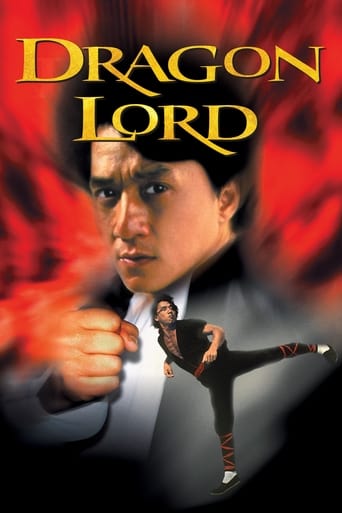
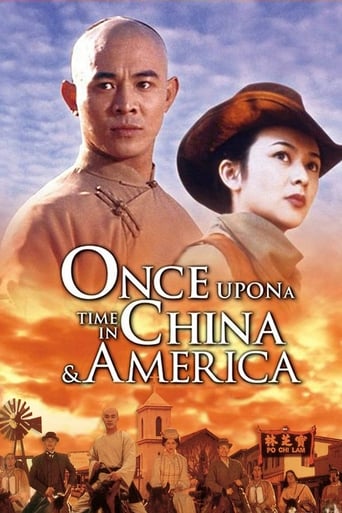
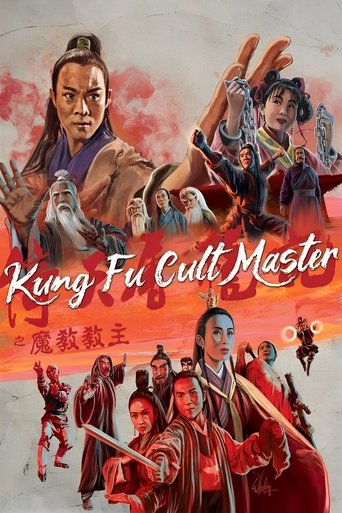
The kung fu films are the pick of their period. Iron Monkey, directed in 1993 by the great choreographer Yuen Woo-ping, is the most followed title of any kind on DuanjuHK: a masked doctor robs corrupt officials to feed the poor, and a visiting physician, travelling with his small son, the future folk hero Wong Fei-hung, is ordered to catch him. Tai-Chi Master, by the same director in the same year, has Jet Li and Michelle Yeoh and tells how the gentle art was born from a friendship betrayed. Jet Li also appears in Kung Fu Cult Master and in Once Upon a Time in China and America, which takes Wong Fei-hung to the Wild West; Once Upon a Time in China IV belongs to the same series. Dragon Lord is Jackie Chan in his late twenties, in a village comedy with two astonishing set pieces, a scramble for a golden ball and a game of shuttlecock played with the feet. The Empty Hands, from 2017, is a quiet modern story about a young woman who inherits her father's karate school.
The romances are gentle. Sound of Colors, from a picture book by the Taiwanese illustrator Jimmy Liao, pairs Tony Leung Chiu-wai with Miriam Yeung as a matchmaker and a blind woman. Romancing in Thin Air, directed by Johnnie To, takes a jilted film star to a guesthouse in the highlands of Yunnan, kept by a woman whose husband was lost in the forest; Louis Koo and Sammi Cheng play them. Moonlight Express has Leslie Cheung as a policeman who resembles a Japanese visitor's late fiance; Hooked on You sets a romance among the stalls of a wet market over ten years of the city's history; Temporary Family is a comedy about four people who buy a flat together to sell at a profit; and Autumn Moon, But Always, A Chinese Tall Story, The Twins Effect II, Mission Milano and the children's comedy Shaolin Popey II: Messy Temple fill out the shelf.
Before 2000
Fifty-nine titles were made before 2000, twenty of them before 1990, and the guide to the earlier titles lists them. The 1980s were the golden age of the Hong Kong serial. The station's acting class of those years produced five young leading men, known as the Five Tigers, and four of them can be seen here: Tony Leung Chiu-wai, Andy Lau, Felix Wong and Michael Miu. Their serials were made quickly, on studio sets with painted mountains, and nobody minded, because the stories were strong and the actors had charm to spare. The theme songs, many composed by Joseph Koo with words by James Wong, were hits in their own right and are still sung.
The 1990s brought more money and more location filming. Journey to the West, State of Divinity, The Condor Heroes 95 and The Demi-Gods and Semi-Devils were the big costume productions; Old Time Buddy, A Recipe for the Heart and Show Time Blues the comedies; and Healing Hands, Burning Flame and At the Threshold of an Era the modern dramas that pointed the way to the next decade. Thirty-nine titles date from the 1990s, fifty-seven from the 2000s, twenty-seven from the 2010s and nineteen from 2020 onwards.
Food on screen
Cantonese culture takes eating seriously, and so do its dramas; the food guide collects the titles in which a kitchen is the setting. A Recipe for the Heart, from 1997, is about two chefs competing for the title of master of all chefs, with Bobby Au-yeung and the comedienne Lydia Shum. Gilded Chopsticks has Wong Cho-lam as a pampered young glutton of the Qing dynasty whose only talent, an infallible palate, makes his fortune, and The Rippling Blossom is set at a sushi counter. Whole sagas turn on a foodstuff: the abalone of Heart of Greed, the mooncakes of Moonlight Resonance, the tea of Plain Love II and the wine of Country Spirit.
Stars to follow
Because the same company of actors appears year after year, following a favourite is one of the pleasures of Hong Kong television, and the stars guide names a few. Louis Koo appears in fifteen titles here, more than anyone: as a television leading man in The Condor Heroes 95, Against the Blade of Honour, Burning Flame, Man's Best Friend and A Step Into The Past, and then as a film star in seven films. Kenneth Ma, the station's dependable doctor, is in twelve; Charmaine Sheh in eleven, from Crimson Sabre in 2000 to Themis in 2026; and Sheren Tang in eleven, among them the two serials, War and Beauty and Rosy Business, that won her the best actress prize.
Bobby Au-yeung, the king of comedy on the small screen, and Jessica Hsuan, his frequent partner, have ten titles each. Gallen Lo, Steven Ma and Kwong Wa have seven. Tony Leung Chiu-wai can be followed through four serials of the 1980s and into the film Sound of Colors; Stephen Chow through four films; Jet Li through three; and Dicky Cheung from the Monkey King to The Learning Curve of a Warlord. Barbara Yung, who died in 1985 at the age of twenty-six, appears in four serials made in 1983 and 1984 and is remembered with great affection. The search field accepts all of these names.
The three lengths
The lists panel divides the dramas by number of episodes, and the guide to choosing by length explains the shelves. Forty-four dramas have twenty-four episodes or fewer; twenty episodes of forty-five minutes was the standard length of a TVB serial for decades, shown five nights a week for a month. Sixty-one have twenty-five to forty-nine, including most of the Jin Yong adaptations, and twenty-four have fifty or more. The yellow tag on each poster gives the count, and each title page lists the episodes with their dates.
Choosing for the family
Because the selection was made with a mixed household in mind, most of the catalogue can be shared, and the family viewing guide picks titles for different company. With children, the legends are the natural choice: Journey to the West, Gods of Honour, Ten Brothers and the film Shaolin Popey II: Messy Temple. For the whole house, Virtues of Harmony, A Recipe for the Heart, Triumph in the Skies and The Private Eyes have something for every age. With grandparents, the serials of the 1980s are sure ground, and they will probably know the theme songs.
A few points are worth knowing beforehand. Martial arts serials and kung fu films include a good deal of stylised fighting. Palace dramas turn on rivalry among an emperor's consorts, and family sagas on quarrels over inheritance. Hospital dramas show operations, and Burning Flame shows fires and rescues. Stephen Chow's comedies are broad and occasionally rude. Each title page carries a full summary, so a parent can read it in a minute and decide.
A few words worth knowing
Some terms recur on the title pages and in this guide. Wuxia is the story of wandering swordsmen and their code, and the jianghu, literally rivers and lakes, the world in which they move, beyond the reach of officials. A sect is a school of martial arts with its own master, style and secrets. TVB is the dominant Hong Kong broadcaster, and an anniversary drama one of the large productions it shows each autumn. A sitcom, in Hong Kong usage, is a half-hour comedy shown every weekday. Mo lei tau is the nonsense humour of Stephen Chow.
Names are a small difficulty. Cantonese and Mandarin pronounce the same characters differently, so the hero of the Condor story is Kwok Ching in Hong Kong and Guo Jing in Beijing, and an actor may be listed as Tony Leung Chiu-wai in one place and Liang Chaowei in another. Family names come first, and many performers add an English given name. The title pages give the form by which each person is best known abroad, and the original characters settle any doubt.
Hong Kong on screen
The modern dramas double as a portrait of the city over fifty years. The serials of the 1980s show a Hong Kong of walk-up tenements, tea restaurants and crowded ferries, where a family of six shares two rooms and a young man's ambition is a clerk's job and a place in a public housing estate. By the time of At the Threshold of an Era the skyline of glass towers has arrived, and the talk is of shares, property and the future after 1997. The dramas of the 2000s move between the offices of Central, the villas of the Peak and the markets of Kowloon, and those of the 2020s return, in Hong Kong Love Stories and Under the Rainbow, to the small flat and the housing estate with a new affection.
Certain places recur. The dried-seafood shops of the western waterfront are the world of Heart of Greed; the electronics stalls of Apliu Street that of Hidden Treasures; the old airport at Kai Tak, with its famous low approach over the rooftops, and the new one at Chek Lap Kok frame Triumph in the Skies and The Airport Diary. The walled villages of the New Territories, where Square Pegs is set, and the outlying islands supply the countryside. A viewer who knows the city will enjoy recognising it, and one who has yet to visit will arrive with a map already in mind.
Top rated
The Top rated list holds the forty-three titles that score at least seven out of ten from five or more viewers. The films Iron Monkey, Tai-Chi Master and Fight Back to School lead it by number of votes. Among the dramas, A Step Into The Past comes first, followed by The Demi-Gods and Semi-Devils, the 1983 Legend of the Condor Heroes, War and Beauty, The Condor Heroes 95, The QUEEN of News, Journey to the West, Beyond the Realm of Conscience, War of the Genders and The Heaven Sword and Dragon Saber. Behind them come At the Threshold of an Era, Triumph in the Skies, State of Divinity, Rosy Business, Healing Hands, Big White Duel, Old Time Buddy, Golden Faith and A Recipe for the Heart.
A word of caution belongs here. These serials were watched by millions and rated abroad by very few, so many scores rest on a handful of votes, and several famous titles fall just short of the list for want of five voters. The ranking of the ten most popular dramas on the home page is ordered by the number of votes, and both are best read beside the summaries.
Search and the A to Z
The search field sits in the white bar on every page. Type a few letters and results appear at once beneath it; the search looks at titles, original titles and actors. The finding titles page summarises the methods. Typing "Condor" brings four serials, "Burning Flame" brings three, and "Louis Koo" brings his fifteen titles. A title may be entered in English, in romanised form or in Chinese characters.
The A to Z page sets out all 162 titles in a single alphabetical index. The Dramas and Films pages show each kind most popular first, and each of the fifteen lists has a page of its own with a line of description and a count.
My List
Serials of forty episodes are long commitments, and a pinboard helps to plan them. Each title page places an Add to My List button directly after Watch now, and one press pins the title. The black My List button in the white bar opens the pinboard, where every pinned drama and film appears as a poster with a Remove button beneath it. The My List page explains each button. The pinboard is held in your browser's storage on the device you use, so it is as you left it when you return, and the list page can copy it into a small file as a safeguard or for another computer.
How Watch now works
Every title page has a country selector with fifteen countries, among them the United States, Hong Kong, Singapore, Malaysia, Taiwan, Canada, Australia and the United Kingdom. Pick yours and press Watch now. JustWatch opens on the page for that title and shows the services that carry it there, grouped by subscription, rental, purchase and free viewing. The large international services, the Hong Kong broadcasters' own platforms for viewers overseas and the specialist Asian drama services all appear in those lists. Older serials come and go, and availability differs from one country to the next, which is why the selector comes first.
A first fortnight
Here is a plan for fourteen evenings that samples every shelf. Begin with a film, Iron Monkey. On the second evening start A Step Into The Past, and on the third War and Beauty, returning to each as the fortnight goes on. The fourth belongs to Fight Back to School, the fifth to the first two episodes of War of the Genders, and the sixth to the opening of The Demi-Gods and Semi-Devils. On the seventh, watch The Private Eyes. In the second week, sample Triumph in the Skies, Rosy Business, The QUEEN of News, Chor Lau-heung and Heart of Greed, and give the remaining evenings to whichever serial has taken hold. By then you will know whether you belong to the swordsmen, the palace or the family dinner table, and DuanjuHK will have a hundred and fifty titles still to offer.
Questions and answers
Questions
What is DuanjuHK?
DuanjuHK is a guide to 129 Hong Kong television dramas and 33 Cantonese films, 1976 to 2026, each with its cast and a Watch now button.
Which title should I watch first?
Start with A Step Into The Past or War and Beauty among the dramas, and Iron Monkey or Fight Back to School among the films.
Is the catalogue suitable for families?
Yes. Every summary was read by hand, and the selection favours adventure, comedy, family stories, history and dramas of working life.
What is wuxia?
Wuxia is the Chinese story of wandering swordsmen and their code of honour. Thirty-seven martial arts titles are listed.
Who was Jin Yong?
Jin Yong was the pen name of Louis Cha, whose fifteen martial arts novels are the most filmed stories in Chinese. Eleven serials from them are listed.
How many episodes are listed?
The 129 dramas have 12,893 episodes between them, and each drama page lists them with their dates.
How does My List work?
Press Add to My List on a title page. The pinboard is held in your browser's storage on your device, and the list page can copy it into a file.
Does DuanjuHK host dramas or films?
DuanjuHK is a guide only. Every Watch now button opens JustWatch, which lists the official streaming, rental and purchase services for your country.
